For rural homeowners, cottage owners, farms, and small businesses, water is not something that can be taken for granted. A private well system is responsible for supplying water every day, and that system depends on several parts working together. The well, pump, pressure tank, treatment equipment, filters, plumbing, and controls all affect how reliable the water feels inside the property.
When the system works properly, it may not get much attention. Water comes from the tap, showers run normally, laundry gets done, and daily routines continue without interruption. But when something changes, the issue can quickly become stressful. Low pressure, cloudy water, staining, odours, pump cycling, air in the lines, or reduced supply can affect the entire property.
For property owners looking for well water solutions for rural homes, the best approach is to understand the full system and address concerns before they become emergencies. Private well care is not only about fixing problems after they happen. It is about protecting the water supply that supports everyday living.
A Private Well Is More Than a Water Source
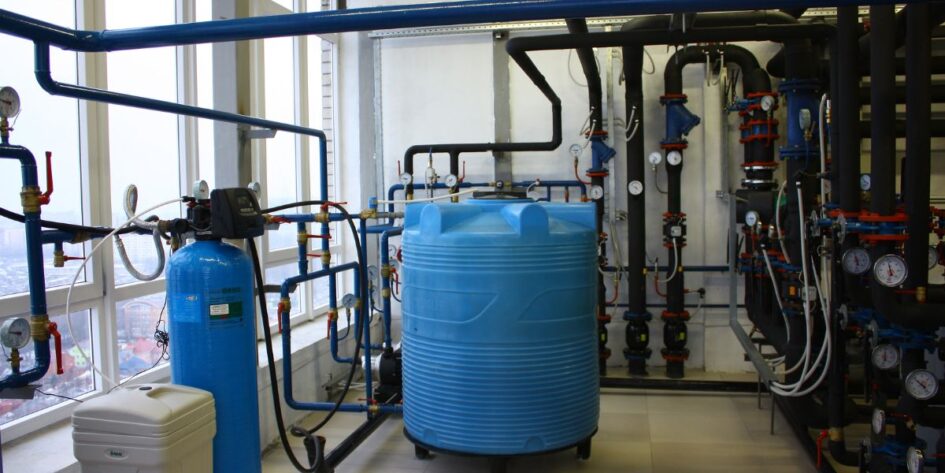
A private well is often thought of as the source of water, but it is only one part of the complete system. The pump moves water from the well into the home or building. The pressure tank helps regulate flow and protects the pump from turning on too frequently. Filters and treatment equipment help address water quality concerns. Plumbing carries water to fixtures, appliances, and outdoor areas.
Because these parts are connected, one issue can affect the entire system. A clogged filter may reduce pressure. A failing tank may cause the pump to cycle too often. An aging pump may struggle to keep up with demand. A low-yield well may not provide enough water during heavy use.
This is why well water issues should not be treated as isolated problems. A full-system view helps property owners understand what is really happening and choose the right solution.
Water Quality Should Be Reviewed Carefully
Well water can vary greatly from one property to another. Even nearby homes may have different water conditions because wells can differ in depth, groundwater source, surrounding rock, seasonal conditions, and system age. Some properties may deal with hard water, sediment, staining, iron, odours, or taste concerns. Other issues may not be visible without testing.
Water quality should never be judged by appearance alone. Clear water may still need testing to understand what is present. At the same time, visible concerns such as staining, cloudy water, or unusual smell should not be ignored.
Proper testing helps guide the right treatment plan. Without testing, property owners may spend money on equipment that does not solve the real issue. A filter may not address the actual concern, or a treatment system may be too small for the property’s demand.
Understanding water quality helps homeowners make better decisions and avoid unnecessary guesswork.
Pressure Problems Can Come From Different Places
Low or inconsistent water pressure is one of the most common frustrations for private well owners. Weak pressure can make showers uncomfortable, slow down laundry, affect dishwashing, reduce outdoor water use, and make daily routines more difficult.
However, pressure problems can have many causes. The pump may not be performing properly. The pressure tank may be failing. Filters or treatment equipment may be restricting flow. Plumbing may be limiting the system. The well itself may not be producing enough water for current usage.
Because there are several possible causes, pressure issues should be diagnosed carefully. Replacing one part without reviewing the full system may not solve the problem.
For property owners needing private well repair and maintenance, the goal should be to identify the real source of the issue and restore dependable performance in a practical way.
Pump Performance Is Essential for Daily Use
The pump is one of the most important parts of a private well system. It brings water from the well into the property and helps support daily use. When the pump is working properly, water access feels simple. When it begins to fail, daily life can be interrupted quickly.
Warning signs may include reduced pressure, frequent cycling, unusual sounds, air in the water lines, inconsistent flow, or no water at all. These symptoms should not be ignored because pump problems can become more serious over time.
Still, a pump-related symptom does not always mean the pump itself is the only issue. The problem may involve wiring, controls, the pressure switch, pressure tank, filters, or the well’s yield. Proper diagnosis can help avoid unnecessary replacement and make sure the correct repair is completed.
A reliable pump system is central to the comfort and function of a rural property.
Pressure Tanks Help Protect the System
Pressure tanks are sometimes overlooked because they are not as visible as taps, showers, or appliances. However, they play a key role in helping a private water system operate smoothly. A pressure tank stores water under pressure and helps reduce how often the pump needs to turn on and off.
When a tank is not working properly, the pump may cycle too frequently. This can place strain on the equipment and create uneven pressure. Homeowners may notice short bursts of water, sudden pressure changes, or the pump running more often than expected.
A pressure tank issue can sometimes look like a pump problem. That is why both components should be reviewed when water pressure changes.
A healthy pressure tank supports smoother flow, reduces stress on the pump, and helps the entire water system work more reliably.
Water Treatment Should Match the Actual Conditions
Water treatment is not the same for every private well. Some properties may need sediment filtration. Others may need help with hardness, staining, odours, iron, or other water quality concerns. A full-time home may need a different system than a seasonal cottage. A farm or rural business may require more capacity than a smaller household.
The right treatment system should be based on testing, usage, flow rate, plumbing layout, and the property owner’s goals. Equipment that is too small may not keep up. Equipment that is poorly matched may fail to solve the problem. Equipment that is more complex than needed may create unnecessary maintenance.
For people exploring water treatment services for cottages and homes, the best results come from understanding the water first and then choosing a system that fits the property.
Proper treatment can improve daily comfort, protect fixtures and appliances, and make the water system easier to manage.
Well Drilling Should Be Planned for Long-Term Use
A new well is a major investment for any rural property. Whether the property is a home, cottage, farm, or business, well drilling should be planned with care. Location, access, groundwater conditions, expected usage, depth, property layout, and future needs all matter.
A small cottage used seasonally may have different needs than a full-time residence with multiple bathrooms. A farm, workshop, or rural business may need more capacity. Future renovations, additional occupants, outdoor use, or expanded property needs should also be considered.
Well drilling is not only about reaching water. It is about creating a dependable source that can support the property over time.
Good planning helps reduce future problems and gives property owners more confidence in their water supply.
Low-Yield Wells Need a Careful Review
Some wells may not produce enough water for the property’s current needs. This can become noticeable during dry periods, heavy household use, cottage weekends, guest visits, or outdoor watering. Low-yield concerns can create stress because the property owner may not know whether the issue is temporary, equipment-related, or connected to the well itself.
A low-yield well should be assessed carefully. The issue may involve the well, pump, pressure tank, storage, plumbing, filters, or household usage patterns. In some cases, specialized services may be considered depending on the well and property conditions.
Guessing at the cause can lead to wasted money and continued frustration. A proper review helps determine what is actually limiting the system and what options may be practical.
Reliable water supply begins with understanding the source of the problem.
Seasonal Properties Have Different Water Demands
Cottages and seasonal homes often use water differently than year-round residences. A system may sit unused for months and then suddenly need to support heavy use during weekends, holidays, or summer stays. This pattern can reveal problems that were not obvious during lighter use.
Before opening a seasonal property, owners should pay attention to water quality, pump performance, pressure, filters, treatment equipment, and plumbing. If the system has been inactive, it should be reviewed before regular use begins.
Guest visits can increase demand quickly. A system that works well for one or two people may struggle when several people are using showers, dishes, laundry, and outdoor water.
Planning ahead helps reduce water problems during the times when the property is meant to be enjoyed most.
Older Systems May Need Practical Upgrades
Many rural properties have older wells, pumps, pressure tanks, or treatment systems. Some may still function, but they may no longer meet the needs of the property. A home may have more occupants than before. A cottage may now be used more often. A treatment system may be outdated. A pressure tank may no longer support demand properly.
Upgrades can improve pressure, water quality, reliability, and daily comfort. This does not always mean replacing the entire system. Sometimes a targeted improvement can make a major difference.
A professional review can help identify which parts are still working and which parts need attention. This helps property owners make practical decisions without unnecessary replacement.
A well-planned upgrade can extend the usefulness of the water system and improve everyday performance.
Warning Signs Should Not Be Ignored
Private well systems often show warning signs before a major problem develops. Changes in pressure, taste, smell, clarity, pump behaviour, or water supply should be taken seriously. A system that starts cycling more often, producing air in the lines, or showing reduced pressure may need attention.
Ignoring these signs can lead to larger problems later. A pump may wear out faster. A treatment system may stop performing properly. A tank issue may place extra strain on equipment. A water quality concern may become more difficult to manage.
Paying attention early gives property owners more options. Repairs can often be handled more calmly when they are not emergencies.
A proactive approach can make private well ownership much less stressful.
Professional Support Helps Reduce Guesswork
Private well systems can be confusing, especially for people who are new to rural living. A pressure problem may involve several possible causes. A water quality concern may require testing before treatment can be chosen. A pump issue may actually involve the tank, controls, filters, or well yield.
Professional support helps connect these parts into one clear picture. Instead of guessing, the system can be reviewed properly. This can save time, reduce stress, and help avoid unnecessary repairs.
Rural homeowners benefit from having knowledgeable support for wells, pumps, treatment systems, pressure concerns, and long-term maintenance. The right guidance can help property owners understand what is happening and what steps make the most sense.
When water problems are assessed carefully, the solution is more likely to be practical and effective.
Reliable Water Supports the Whole Property
Water affects nearly every part of rural living. It is needed for drinking, cooking, bathing, cleaning, laundry, gardens, animals, heating systems, and business operations. When water is unreliable, the entire property becomes harder to manage.
A dependable well water system supports comfort and function. Good pressure makes daily use easier. Proper treatment improves water quality. A reliable pump and pressure tank help keep water available. A well that meets the property’s demand gives owners greater peace of mind.
The key is treating the system as a complete setup. The well, pump, pressure tank, filters, treatment equipment, and plumbing all influence one another.
With regular attention and timely support, a rural water system can become more dependable and easier to manage.
Building a Stronger Plan for Rural Water Care
Private well systems need ongoing care. Testing, maintenance, diagnosis, repairs, and upgrades all play a role in keeping the water supply reliable. Waiting until there is no water or a major pressure problem can create unnecessary stress.
A better approach is to pay attention to warning signs, test when needed, maintain equipment, and seek professional help before small concerns become major disruptions. This approach works for full-time homes, cottages, farms, and rural businesses.
Reliable water does not happen by accident. It comes from proper planning, regular care, and knowledgeable support when problems appear. For rural property owners, that support can make all the difference in keeping water dependable, comfortable, and ready for everyday use.